


bio fireplace-Ethanol Fireplaces
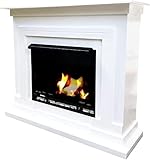 Bio-ethanol is an alcohol derived from plants. This alternative fuel burns cleaner and produces less toxic fumes than gel fuel. Bio-ethanol is also more affordable than gel fuel. However it is crucial to understand that bio-ethanol fireplaces need frequent fueling. If homeowners are concerned about the environmental impact of their fireplaces, bio-ethanol fireplaces may be a fantastic option.
It burns cleaner and cleaner than gel fuel.
Bio-ethanol fireplaces use liquid bioethanol instead of gel fuel as their primary fuel. Although both types of fuels produce a similar amount of heat however, bioethanol fireplaces are much more flexible. Bioethanol fireplaces require only one burner, unlike gel fuel which requires a container with tiny openings. They also typically come with a lid that slides that lets the user adjust the amount of heat produced as well as fuel consumption. Bioethanol is sold in tin containers and can be refilled.
Another advantage of bio-ethanol fireplaces is that they are able to produce more efficient flames. A single can provides three hours of warmth based on the setting. A fireplace that is powered by gel is more efficient because it uses less fuel and doesn’t require a chimney to draw air out of the room. Gel fuel is flammable and can release harmful substances.
Bio-ethanol has the added benefit of generating emissions similar to those generated by burning a candle. Some critics argue that bio-ethanol fuel is a wasteful use of land that could be used to produce food. Unlike gel fuel, bio-ethanol fireplaces are fuel that is renewable that is usually found in plants.
Bio-ethanol fireplaces also have the benefit of generating virtually no moisture during the process of burning. This means that there is no concern about the quality of air in your home or the health of your family members. They don’t require chimneys vent, vent, or other special equipment , and can be easily installed. A lot of these units come with a lid or regulator rod that can reduce the size of the flame, which makes them simpler to put out.
Bio-ethanol fireplaces also come with the benefit of not needing to be cleaned after use. Simply clean them with soap and water to remove any residue. This helps you avoid the storage and biofuel fireplaces disposal of harmful waste. You can also save money by burning bioethanol instead of gasoline or wood, which is much cheaper and greener than other fuels.
It doesn’t emit dangerous fumes.
If you’re thinking about installing a fireplace in your home, bio-ethanol may be the ideal solution. Bioethanol isn’t as harmful as traditional fuels. Many homeowners choose bioethanol fireplaces because they do not emit harmful fumes. Although they look and bioethanol fireplace suites feel the same as traditional fireplaces, bioethanol fireplaces don’t require a chimney or flue. But despite the fact that they don’t emit harmful gasses, they’re still flammable and could cause serious injuries to your family or friends when you’re near them. Be sure to leave the area before a bioethanol fireplace starts to catch fire, and avoid using water to put out the fire as it could spread the fire.
Although bio-ethanol fireplaces don’t emit harmful fumes, they can be dangerous if you’re using them in tight spaces. Keep an oxygen detector near the fireplace, and open a few windows. The safety of bioethanol fireplaces are dependent on the quality of the fuel used as well as the quality of the combustion process. You should use only the bio-ethanol fuel specifically made for your fireplace. You shouldn’t touch or move the fireplace when it’s in use. Instead let the fireplace cool down before moving it.
While bio-ethanol biofuel fireplaces (www.askmeclassifieds.Com) don’t emit harmful gasses, they can risk a fire if not properly installed or operated. Like any fireplace, ethanol fireplaces can start a fire in the event that they are dropped or spilled out of the firebox. The flames caused by this situation could cause a full house fire. This is why ethanol fireplaces must always be cleaned prior to attempting to start a fire.
Choosing a bio-ethanol fireplace is the right choice for those who wish to reduce the amount of pollution. They are also more eco-friendly than traditional fireplaces. You can install bio-ethanol fireplaces both outdoors and indoors. They’re simple to use and don’t require a chimney or a series of annoying tests. They don’t emit dangerous gases, like gas fireplaces which is beneficial for people suffering from asthma or other breathing problems.
It is relatively affordable
Bio-ethanol fireplaces are typically cheaper than other kinds of fireplaces. The price of these fireplaces depends on several aspects. Some models cost hundreds of dollars, while others can cost thousands of dollars. There is no price for these fireplaces, and certain brands claim that lower-priced versions do not meet safety standards.
They don’t use an enormous amount of oxygen, bioethanol fireplace suites but they do use some. It’s crucial to have an air vent in the room when you plan to use it in a small space. Bioethanol fireplaces are more expensive than electric ones. Bioethanol fireplaces do not have an off switch. It is not recommended to operate them in the summer time.
Bio-ethanol fireplaces also don’t require chimneys or an electrical outlet. They can be installed anywhere in your home and without the hassle of constructing a chimney. They don’t emit harmful gases or poisonous gases. In addition to their relatively affordable cost, bio-ethanol fireplaces are also convenient.
Installing bio-ethanol fireplaces can be done quickly and cheaply. They are simple to move around and don’t take long to burn. You won’t need any special equipment to install them. Bio-ethanol can cost as little as $10 a litre. This price is comparable to the price of a wood-burning fireplace.
Bio-ethanol fireplaces are cost-effective, depending on their design and size. A liter of bioethanol will burn for up to four hours. This makes them quite cost-effective when compared to natural gas or propane fireplaces. The cost of installation will depend on the type of bioethanol fireplace that you purchase. You can install an open-air, wall-mounted and freestanding fireplaces without hiring an expert. However a fireplace with a recess is costly and requires professional installation.
It’s a design statement
If you’re looking for a fireplace that will last for a long time bio-ethanol fireplaces are the right choice. They don’t require venting and can be placed in any room including hallways and small apartments. Bio-ethanol fireplaces burn more efficiently than traditional fireplaces, and do not require chimneys or additional openings on your roof. A bio-ethanol fireplace can be as small as a tabletop or can be installed into the wall.
Bio-ethanol fireplaces are environmentally sustainable and cost-effective. Bio-ethanol is made from renewable resources and does not emit polluting gases or harmful pollutants during the process of burning. They don’t require maintenance which is an enormous benefit if you’re looking for a low-cost and eco-friendly fireplace. Bio-ethanol fireplaces are the ideal option for people who are concerned about the quality of the air of their homes, or for those who have health issues.
A bio-ethanol fire place makes use of liquid alcohol derived from fermented crops. Since it’s not suitable for human consumption The odor and smoke produced by bio-ethanol fireplaces are almost undetectable. Bio-ethanol fireplaces also burn cleanly and emit no smoke or soot.
While bio-ethanol fireplaces can generate heat, they are not recommended to be used as the primary source of heat. You may want to consider using wood instead if you aren’t able to afford a bio-ethanol fireplace. Wood is usually free but you’ll need store it and dry it out. Bio-ethanol isn’t cheap to use so it’s not an option for every homes.
A bio-ethanol fireplace can warm your home efficiently and Biofuel fireplaces without the necessity of a chimney. They can also be a striking addition to your home and make a statement. Bio-ethanol fireplaces look fantastic with contemporary geometric designs. For instance the Fuoco Wave fireplace by Altro is a model with a curved base and transparent side panels.
