


Bio Fuel Fireplaces
Bio fuel fireplaces use the ethanol in their fuel to generate heat. They can be set up without the need for chimneys. Bioethanol is the most commonly used name for the ethanol. There are many advantages for using this kind of fuel. Biofuel fireplaces not only produce renewable, clean energy but also help to reduce environmental impact. There are a variety of options, therefore it is worthwhile to explore all options before making the final choice.
Ethanol
Bio fuel fireplaces using ethanol are an environmentally friendly way to heat the space. A bio-ethanol fire source produces about three kW of heat per square that is enough to heat a room by between two and three degrees Celsius. As an added benefit Bio-ethanol fireplaces (many.Fan) do not produce smoke or combustion products that can damage the environment.
These fireplaces are also ideal for small spaces and can be installed on hallways or in smaller apartments. They can also be used outdoors. However, Bioethanol Fireplace Suites they cannot substitute the primary source of heat, like wood. The primary drawback to using bio-ethanol is its cost, as it is not the most economical fuel.
Bioethanol fireplaces don’t produce smoke or bio-Ethanol fireplaces other products of combustion, however, they do emit pollutant. The ultrafine combustion particles produced from the combustion process of these devices are around 10,000 times smaller than the diameter of a human hair. These particles are able to be inhaled. These particles can cause health problems for those who live in these buildings.
bioethanol fireplace suites fireplaces require less maintenance than other fireplaces. It is recommended to take extra precautions. You must ensure that the fireplace is safe for children and pets before you use it.
Ceramic wool
Bio ethanol fuel fireplaces can benefit from the addition of ceramic wool. Ceramic wool will increase the flame’s vibrancy and extend the fire’s life. In fact, the added material can boost the burning time of bio ethanol fuel by 35 percent. This means that you will have a longer time for your fireplace, and it also cuts down on the cost of bioethanol fuel.
The amount of ceramic wool that is in the fire pit will depend on the size of your bioethanol fireplace. One square foot of ceramic wool is enough to power five to 10 bio-ethanol fires. The remainder can be stored for future use. The ceramic wool is durable and is able to withstand temperatures as high as 1200 degrees. You can use a knife to cut it to fit inside the bio fuel fire chamber.
Ceramic wool can be added to your bio-ethanol fire to increase the vigor of the flame and decrease the cost of the fuel. Ceramic ethanol wool will also increase the time to burn by 35 percent.
Burner blocks
There are a myriad of options for biofuel burner blocks fireplaces. They are available in a variety of sizes, colors and designs. Some have even a remote control. Some have Wi-Fi and home automation capabilities. In addition to their versatility and affordability, they provide users with a modern, personalized fire experience.
Safety requirements must be met when it comes to biofuel fireplaces. They should be safe and come with user’s instructions. The instructions should be clear about risks that might be present and explain how to handle them. They should also specify that they cannot be used as an open or multi-burner fire. Bioethanol is combustible, therefore users should be cautious about operating them in areas that are not safe for operation.
In Europe there are two national standards governing bioethanol fires: the French Norm AfNOR Ethanol Fireplace Standard NF D35-386 and the German Standard DIN 4734-1. CEN members received the final draft of European Standard for Fireplaces for Liquid Fuels in April 2015. This draft isn’t yet an official European Standard and is only being circulated to review. It could take a while for the final version to be approved.
Install bioethanol fireplaces in a non-combustible area. It is crucial to ensure that they’re not accessible by children. A wall-mounted fireplace is a fantastic option to ensure safety. These models often have glass screens and are safer to use than open-air fireplaces.
No flu
A biofuel fireplace can heat your home without the necessity of venting systems or flue. The bioethanol that is used in bio-fireplaces burns cleanly and produces no smoke or fumes. It is simple to install and does NOT require a chimney. Bioethanol fireplaces are also very versatile and can be put in within any room of the house. They are also available in a variety of modern designs.
They don’t need venting but they do produce some carbon monoxide. Remember that a well-constructed combustion will also produce a large amount of water vapor. This can impact the indoor bio ethanol fireplace uk air quality. It is essential to follow the instructions that are provided by your biofuel fireplace.
Bioethanol fireplaces need little to no maintenance after installation. To remove any residue, you can use mild soap and water. EcoSmart Fires can be cleaned in the dishwasher.
Cost
A biofuel fireplace is less costly to purchase and to operate than traditional fireplaces. This means that you will enjoy the same warmth, but not the same amount as a traditional fireplace. The cost of running a Biofuel Fireplace will be contingent on the frequency you use it as well as how much fuel you use.
Wall-mounted bioethanol fireplaces are from $100 to $1,200. These fireplaces are ideal for small spaces as they do not require a tabletop or recess space. You can also install a bioethanol burner for $200 to $500. While a tabletop bioethanol fireplace is straightforward to set up yourself however, the recessed fireplace requires professionals to complete the installation.
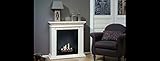 Biofuel fireplaces are not dependent on gas or electricity and they don’t emit smoke like traditional wood-burning fireplaces. Since they don’t emit smoke or heavy air, they’re more eco-friendly, which reduces your home’s carbon footprint. They’re also greener than traditional fireplaces and could help you save money on your gas bill.
Biofuel fireplaces are great for both outdoor and indoor use. For a little extra ambience, you can set one on your deck or patio. Biofuel fireplaces are suitable for indoors as well as outdoors, and are not a safety risk. They can also be set directly on carpets making them an ideal option for homes with carpeting.
Installation
There are two primary ways to install biofuel fireplaces either wall-mounted or freestanding. Freestanding models require no installation, but must be placed on a level surface and a wall that can support the fireplace’s weight. Wall-mounted bio-ethanol fireplaces need an installation process more complex which requires a professional.
Bioethanol fireplaces don’t emit harmful substances and generate a clean flame. Installing a biofuel fireplace requires you have enough space and clearance. It is not recommended to place it on top of a TV. To avoid damage to your television if you do decide to install a TV over a bio-ethanol fireplace follow these steps.
When installing a bio-ethanol fireplace, bioethanol fireplace it is vital to follow the installation guidelines carefully. Make sure that the fireplace has been placed in a non-combustible area. This will ensure that it is safe for kids and pets. A biofuel fireplace produces no toxic fumes and can be installed in any kind of building or home.
A biofuel fireplace is a wonderful alternative to traditional wood burning fireplaces. It produces a bright orange flame and is a beautiful alternative to traditional wood burning fireplaces. Biofuel fireplaces are also green, as bio fuel doesn’t require a chimney for venting. A single biofuel burner can heat up to 65 square meters. These fireplaces are great for smaller spaces and areas where a second source of heat is needed.
