


bio ethanol fireplace suite Fuel Fireplaces
Biofuel fireplaces make use of ethanol to provide heat. They can be constructed without the need for chimneys. The ethanol used is commonly advertised as bioethanol. This fuel has many benefits. Biofuel fireplaces are not only able to produce renewable, clean energy but also have a green footprint. There are several options available, and you may want to investigate every option before making a decision.
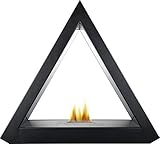 Ethanol
Biofuel fireplaces that make use of ethanol to warm the room are an eco-friendly method of heating it. Bio-ethanol fireplaces generate about three kW of heat per room, which is enough to warm a room by two to three degrees Celsius. Bio-ethanol fireplaces are not harmful and do not release smoke or other combustion products that can harm the environment.
These fireplaces are also suitable for smaller spaces and can be placed inside hallways or smaller apartments. They can also be used outdoors. They cannot replace wood as the main source of heat. Bio-ethanol is expensive and is not the most efficient fuel.
bioethanol fire suite fireplaces don’t produce smoke or indoor bioethanol fireplace other products of combustion, but they still emit pollutants. They release ultrafine combustion particles that are approximately 10,000 times smaller than human hair. The ultrafine particles are tiny that they are able to be breathed into. These particles can cause health problems for those who live in these buildings.
Bioethanol fireplaces require less maintenance than other fireplaces. You should take extra precautions. Before using a fireplace made of bioethanol be sure that it’s safe for use around children and pets.
Ceramic wool
Bioethanol fuel fireplaces may benefit from the addition of ceramic wool. This material will enhance the intensity of the flame and extend the lifespan of the fire. The addition of this material can boost the burn time by 35 percent when using bioethanol fuel. This means that you will have a longer time for your fireplace, and it can also reduce the cost of bioethanol fuel.
The size of your bioethanol fireplace will determine the amount of ceramic wool you’ll use in the firepit. One square foot of ceramic wool is sufficient to power five to 10 bioethanol fires. The rest can be stored for future uses. Ceramic wool is extremely durable and can withstand bio fuel fireplace temperatures that exceed 1200 degrees. It can be cut to fit in the bio fuel combustion chamber with the help of a utility knife.
Ceramic wool can be added to the bio-ethanol flame to increase the intensity of the flame and reduce the cost of fuel. Ceramic ethanol wool also increases the burn time by 35 percent.
Burner blocks
There are a lot of options available for biofuel burner blocks fireplaces. They come in a variety of sizes, colors and designs. Some come with remote controls. Some even have WiFi and home automation capabilities. They’re flexible and affordable but they also provide a personalized, contemporary fire experience.
Safety requirements must be met when it comes to biofuel fireplaces. They must be sturdy and have user instructions. These instructions should mention the potential hazards and explain how to deal with the potential dangers. They should also state that they aren’t intended to be used as a multiburner , or an open fire. Bioethanol is flammable, so it is best not to utilize them in tight spaces.
Two national standards govern bioethanol fires in Europe The French Norm – AFNOR Ethanol Fireplace Standard NFD35-386 and the German Standard DIN4734-1. The Final Draft of the European Standard for Fireplaces for Liquid Fuels was presented to CEN members in April 2015. The draft is not yet an official European Standard and is only being circulated for review. The final version may take some time to be approved.
Install bioethanol fireplaces in a safe area. It is essential to ensure that they’re not accessible by children. A fireplace that is mounted on the wall is a great option to ensure safety. These fireplaces typically have the option of a glass screen, and are safer than open-air fireplaces.
No flu
A biofuel fireplace can be used to heat your home without the need for a venting system or flue. The bioethanol that is used in bio fireplaces burns efficiently and does not emit smoke or fumes. It is easy to set up and bio fuel fireplace does not require chimneys. Bioethanol fireplaces are flexible and can be placed within any room of the house. They are also available in a variety of contemporary designs.
The fireplaces don’t require venting but they do produce some carbon monoxide. It is vital to remember that a well-constructed combustion can also produce an abundance of water vapor, which could have an effect on the quality of the air inside. However, you should be certain to follow the guidelines that come with your bio-fuel fireplace.
Installing bioethanol fireplaces requires little or no cleaning after use. Just use a mild soap and water solution to wash away any remnants. EcoSmart fires can be cleaned by washing them in the dishwasher.
Cost
A biofuel fireplace is less expensive to purchase and operate than traditional fireplaces. This means you’ll get the same level of warmth without spending as much money as with a traditional fireplace. The cost of running the Biofuel Fireplace will depend on how frequently you use it and on how much fuel.
A wall-mounted bioethanol fireplace could cost between $100 to $1,200. These fireplaces are perfect for small spaces as they don’t require a tabletop or the space for recessed spaces. You can also install a bioethanol fireplace suites burner at a cost of $200-$500. While a tabletop bioethanol fireplace is straightforward to install yourself but a recessed fireplace requires an expert to complete the installation.
Biofuel fireplaces don’t require gas lines or electricity and emit no smoke as traditional fireplaces that burn wood. Since they don’t emit smoke or biofuel fireplaces heavy air, they’re also more sustainable, reducing your home’s carbon footprint. They’re also more eco-friendly than traditional fireplaces and could save you the cost of gas.
Biofuel fireplaces work great both indoor and outdoor use. For a little extra atmosphere, you can put one on your patio or deck. These fireplaces made of biofuel can be used both indoors and outdoors, and are not a safety risk. They can also be installed directly on carpets making them a perfect option for homes with carpeting.
Installation
There are two primary ways to install biofuel fireplaces that are wall mounted or freestanding. Freestanding models need no installation, but must be placed on a level surface and a wall that can support the fireplace’s weight. Installing bioethanol fireplace inserts on walls requires a contractor.
Bioethanol fireplaces produce a clean flame without emitting any harmful substances. To set up a bio-fuel fireplace, you need to make sure that you have sufficient clearance and room size for the bio-ethanol fireplace and do not install it directly over the television. To prevent damage to your TV when you do decide to put a TV over a bio-ethanol fireplace, follow these steps.
It is crucial to follow the steps when installing bioethanol fireplaces. Be sure that the fireplace is installed in a non-combustible chamber. This will ensure that the fireplace is safe for children and pets. A biofuel fireplace produces no harmful fumes and can be installed in any kind of home or workplace.
A bio fuel fireplace produces an intense orange flame and is a great alternative to traditional wood burning fireplaces. Biofuel fireplaces are also eco-friendly, as bio fuel doesn’t require a chimney for venting. A single biofuel burner can provide up to 65 square meters of heat. These fireplaces are an excellent choice for smaller rooms or for those in need of a second source of heating is needed.
