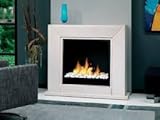
What is an Ethanol Fireplace?
An ethanol fireplace is a type of fireplace that runs on the ethanol alternative to gas or wood. These fireplaces are usually installed without chimneys and the fuel used to power the fireplace is usually known as bioethanol. There are some important aspects that you need to know prior to purchasing a fireplace made of bioethanol. First, know the cost.
Cost of a bioethanol fireplace
Bioethanol fireplaces make use of the renewable energy source of ethanol for the production of heat. It is easily accessible and can be purchased at the majority of home supply stores as well as fireplace shops. There are some disadvantages when using bioethanol fuel, including the risk of spills, and the potential for fire. You should be aware when filling the fireplace, and spills should be cleaned up promptly. Regardless of the drawbacks, bioethanol fireplaces are an excellent alternative for indoor and outdoor use.
The cost of a bioethanol fireplace will depend on a number of factors, including the size of the room and the ventilation. The cost of a bioethanol fireplace could differ based on the options and features you choose. It also depends on your specific requirements. It will pay off in the long run when you save on fuel.
The cost of bioethanol fireplace suites uk fireplaces can vary according to how often you use it. It is more expensive to use the bioethanol fireplace every day than a traditional fireplace. The majority of people use a fireplace occasionally. There aren’t any installation charges and the cost of running the bioethanol fireplace depends on the number of hours it is used.
One disadvantage of bioethanol fireplaces is the smell. Bioethanol fireplaces can be disguised using specific air fresheners, despite their distinct scent. This kind of fireplace is best located in areas that are well ventilated. The lower the bioethanol’s quality fireplace the less it will emit odors.
Bioethanol fireplaces have a disadvantage in that they produce little heat. They shouldn’t be used as your primary source of heating. They are more expensive than traditional fireplaces, and should not be replaced. If you were looking to heat your entire home then you’d need to buy multiple bioethanol fireplaces, which would increase the cost of heating your home.
There are two types of fireplaces that are ethanol-based. There are freestanding models as well as wall-mounted units. Freestanding fireplaces are best for minimalist or modern designs, and can be easily mounted anywhere in your home. Some are double-sided and can be moved easily from room to room. You can choose the one that best fits your needs and preferences.
Bioethanol fireplaces provide many benefits. They are eco-friendly and lower your energy bills. There are various sizes for bioethanol fireplaces. The cost is generally similar to a traditional wood burning fireplace. Some models are cheaper than others. They are also more secure.
Bioethanol fireplaces need to be maintained occasionally. They require periodic cleaning and greasing to remain functional. For routine cleaning and maintenance suggestions, contact the manufacturer. If possible, it’s best to have a professional chimney sweep service to perform routine maintenance for bioethanol fireplaces.
The size of a bioethanol-fireplace
Bioethanol fireplaces can be a fantastic option for any indoor bioethanol fireplace area. They are simple, convenient and cost-effective to operate. They can be put anywhere in your home or outside. The design is sleek and contemporary which makes them ideal for condo and apartment units. Bioethanol fireplaces require less maintenance than traditional wood-burning fireplaces.
There are numerous sizes available for bioethanol fireplaces. A majority of them have remote controls that allow you to regulate the size of the flame or the generation of heat. They are getting more popular due to advancements in technology. Some can be connected to your smartphone! When buying a bioethanol fireplace, it is important that you consider the dimensions of your room.
Bioethanol fireplaces burn alcohol in its purest form. It can be burned in two ways that is combustion or incomplete combustion. According to research conducted by Millan-Merino et al, the two most commonly used combustion products produced by burning ethanol are H2O and CO2. However, incomplete combustion could be a problem, resulting in CO and bio ethanol fireplace suite ethanol fireplaces OGC in the flue gas. Bioethanol fireplaces are simple to set up.
Despite their simplicity, Bio fuel fireplaces bioethanol fireplaces must be maintained and cleaned regularly. You should immediately clean up any fuel spills. The flame of your bioethanol fireplace will burn at a low level initially, but will gradually increase to optimum height within ten to fifteen minutes. Make sure to place the bioethanol fireplace away from drafts.
A bioethanol fireplace can be the perfect focal point of your outdoor living space. They can also be used to create a warm area for entertaining in your home. And unlike traditional fireplaces, bioethanol fireplaces can be used year-round, and they produce real flame and heat when they are lit. Bioethanol fireplaces do not require fuel lines or chimneys, which makes them a great choice for any location.
The burning chamber of bioethanol fireplaces should measure at least 114 square meters. Certain models can be trimmed and adapted to fit into smaller areas. A bioethanol fireplace consumes 0.375 litres of bioethanol fuel. The size of a bioethanol fire can be determined by using the length x width x height formula.
Bioethanol fireplaces are an excellent option for those looking to reduce their costs and decrease their carbon footprint. They are simple to install and don’t require any structural modifications. Some models can be carried with you wherever you go. A bioethanol fireplace may also be purchased to meet your needs.
Bioethanol fireplaces are available in a vast range of sizes and styles. They can be used to match existing fireplaces, or be added to an elegant mantel. Bioethanol fireplaces are cleaner than traditional fireplaces and emit less smoke and residue than traditional wood or gas fireplaces. They’re also more durable.
The size of a bioethanol fireplace plays an important part in determining how much heat it will generate. The majority of models have an 1.5-liter burner that has an output of between 2.1 to 2.5 kW. Bioethanol fireplaces don’t need pipes or chimneys, and don’t produce soot or ash.
Burn time
Bioethanol fires are an excellent alternative to fossil fuels, since they don’t emit harmful chemicals into the air. They also do not require any chimney or flue, and can be used indoors. Bioethanol is also an energy source that is renewable and therefore you can burn it without worrying about your energy costs.
There are two types. One is fueled by liquid ethanol , the other one is powered by solid bio ethanol fireplace suite fuel fireplaces (discover here). The first is less expensive but may require a longer burning time. A fireplace that is fuelled with ethanol can also be extremely hot. Therefore, it’s essential to follow the guidelines for it.
Bioethanol fireplaces can be very easy to use, but it is important to follow the most basic safety rules when using one. Do not put fuel directly on an open flame, as this could cause serious burns. In the same way, do not use the fireplace with matches or lighters that have a long length near the fireplace’s ethanol fuel burner.
The time taken to burn bioethanol for fireplaces will vary depending on the size and type of burner. For the best results, choose bioethanol fireplace fuel with at minimum 96% ethanol. A lower percentage could cause unpleasant odors when the fuel is burning. Unlike traditional fossil fuels, bioethanol fireplace fuel doesn’t require any type of cleaning. If you have to clean it, you can do so with water and soap in a mild solution. You can also place it in the dishwasher
Bioethanol fireplaces offer good heat output, but they should not be used as the primary source of heat. Wood can be used in place of bioethanol if you do not want to use it as your primary source of heating. It’s a more efficient option and can be found free in many places. If you’re looking to save money, bioethanol is not the best option.
Before you begin an bio ethanol fireplace insert fire, make sure to take all safety precautions. If you are burned, you should consult a physician. If you don’t take safety precautions, bioethanol burns may cause serious injuries. Ensure that you don’t leave flammable furniture or objects in the vicinity when using the bioethanol.
Before you add fuel to your fireplace, make sure you thoroughly inspect the fireplace. Be sure that the burner is well-ventilated and has an lid. You shouldn’t leave the burner in a dark area for more than five minutes. It is also recommended to allow the bioethanol to cool before returning to the flame.
One advantage of bioethanol fireplaces is that they don’t require the use of a chimney or a flue. Many have expressed concerns about the increasing number of chimney fires. In England, more than 3,000 homes were burned in the last year due to the build-up of flammable, tar. Bioethanol fireplaces also don’t release harmful air particles. This means they are an excellent choice for people who suffer from allergies or health issues.
Although bioethanol fireplaces are easy to maintain, it is essential to keep the fuel in good condition at all times. The lid should be kept shut when not being used since debris can accumulate and cause damage.