


If your uPVC door latch is not working , or you’ve noticed that the door handle is not working and sloppy, it’s time to replace it. The gearbox in the uPVC door latch is worn out and isn’t able to fully spring back. The springs inside the upvc replacement door handles (mouse click the following web site) door handle may also require replacing if they’re worn. Here are some guidelines to help you replace your uPVC door handle.
Over time, the door handles made of uPVC become slippery.
If your uPVC door handle is becoming stiff, replacement upvc door panels wobbly, or floppy, it may be an appropriate time to replace it. The reason behind this issue is not always obvious but it could be related to the multipoint lock or the uPVC gearbox inside the door. These steps will show you how to replace the handle quickly and inexpensively. First open the door and check the handle itself. It might be bent or damaged.
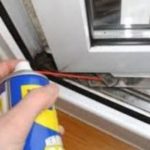
If your uPVC door handle has become soft due to wear and tear, it could be time to replace it. A new handle can eliminate the possibility of future issues and increase security in your home. To increase security, you should upgrade to a handle with high security ratings. We suggest looking for the 2* Kitemark or Sold Secure SS301 certification. You can purchase a 3-in 1 oil suitable for uPVC doors. After applying the oil, lift the handle gently to work it into the bolt mechanisms.
Sometimes it happens that a uPVC door handle may be loose over time. If the handle becomes loose, it could be due to a poor fitting or the incorrect parts. The handle may be put under stress by the doors dropping. This should be addressed first before looking at the handles. It is possible that the door could be loose, however, in the event that it hasn’t then it is most likely that the screws are loose.
Faulty uPVC gearbox
If you hear a clicking sound when you open or close the door, it is a sign that your uPVC door mechanism is not working properly. The barrel lock can be affected by the same issue. The gearbox is a crucial component of the locking mechanism, and will need to be replaced in the event that it becomes damaged or faulty. In many cases, a broken gearbox is easily replaced however this procedure can be costly.
Fortunately, replacing the uPVC gearbox is not an overwhelming task. To complete the task successfully, you will only need just a few tools and a little experience. It is an internal component of the door handle that replaces its central mechanism. You can also repair your multipoint door mechanism with the installation of an entirely new uPVC gearbox.
The uPVC gearbox is prone to be worn down over time. Door handles can be wobbly or floppy when the uPVC gearbox is broken down. A professional is required to be contacted if you notice your door handle is becoming floppy. This can be prevented by replacing the gearbox. There are many causes for the problem.
A door that isn’t aligned is the most common reason for a defective upvc door handle replacement uPVC gearbox. It is possible to adjust the door handle in some cases. But, if the gearbox is damaged, my latest blog post you might require replacement upvc door handle of the entire unit. You can rely on an expert locksmith to fix your door handle issues. It is important to confirm their credentials. This is the ideal place to find a qualified professional.
uPVC door latch isn’t working properly
If your uPVC door latch doesn’t work properly, check to see whether spring mechanism is the source of issue. This mechanism is connected to the cylinder to secure the door. It could have multiple points of engagement, for example, replacement lock for upvc door a key stuck in the lock-cylinder. To ensure safety it must be fully engaged, but not too quickly. This could indicate a problem with the mechanism and you will need to replace the entire uPVC door latch. To find out whether you have a problem with the latch, take a measurement of each screw from the middle of the keyhole, and take this measurement to measure the new handles.
Another common cause for a damaged uPVC door latch is a faulty hinge. It may have fallen out due to sudden fluctuations in temperature or over time. In such instances the locking process is extremely difficult and puts strain on the locking mechanism. Fortunately, the majority of doors made of uPVC can be adjusted. If the door is dropping you can adjust the hinges. If the problem persists, contact a professional to resolve the issue.
You should seek advice from a professional if the uPVC door latch doesn’t function properly. It might not be possible to fix the issue right away. Furthermore, it could cost you more money in the long run since the same issues will continue to arise. Request an estimate from NandU Glass to repair your door.
Door handle springs made from uPVC help bring the lever of the handle to a horizontal position.
upvc door handle replacement door handle springs can bring back the horizontal position of your UPVC doorslammer. The springs are found beneath the backplate of your handle and include an attached spindle that is inserted into the handle’s center square. When the lever of the handle is lifted, the springs in the cassette exert tension and return action which allows the handle to stay in place. It is important to remember that the springs in the springs of a uPVC door are not universal. If the springs you have aren’t universal, you’ll need to buy a replacement.
You’ll need to take the dimensions of the key hole and screw size to replace a uPVC door handlespring. Certain positions require minimal clearance through the lockcase therefore re-drilling isn’t an option. Make sure you measure the distance between the top screw and the lever for the handle. Once you know these details, you can replace your spring.
A common issue with a door handle that is drooping is when it is unable to return to the horizontal position after closing. This issue can be resolved by loosening the screws and aligning the lever. Make sure that the spring isn’t over-tightened as this can bind it against the door’s face and force the latch mechanism to collapse within the mortice.
uPVC door springs wear out over time
Your uPVC door may have problems with the locking mechanism and springs. If your door is difficult to lock or open, the springs might have worn out or the door itself could be out of alignment. These problems could make it difficult to lock or unlock the door. You should also determine if the handle of your door is difficult to turn or stiff. If you experience any of these issues, you should contact an expert locksmith to assist you with your uPVC door.
Over time, uPVC doors handle can become floppy. The handles can get sloppy with time and produce clicking or drooping sounds whenever you press them. This is more common for older doors that have springs built into the lock mechanism. This problem is not difficult to fix but will need to be replaced with the entire door handle.
Also, look at the handles of uPVC doors to ensure they aren’t stiffened. Stiff handles can be an indication that the handle is not in alignment. A 3 in 1 oil-lubricant might be applied to the most critical areas of stiff handles. If the handle remains stiff, a 3 in 1 oil lubricant that is applied to the key areas may solve the problem. It is crucial to have the lock checked by a uPVC specialist.
uPVC door springs can be used in all climates
The majority of door handles made of uPVC are universally hand-operated with the screw heads on the inside. When viewed from the outside, a left-handed handle on a door would be visible on the right side of the door. The same goes for a right-handed handle. In the same way, the uPVC door handle can be used on a left-hand door and vice versa. Make sure that the lock has the same keyhole as the left-hand door.
 There are a variety of styles of door locks made of upvc door panel replacement. The most common type of door locking point made of uPVC is the lock cylinder. It is universally handed and is situated inside the door edge, along with the faceplate of the lock. These locks should be set using a hand that is affixed to the door side. They usually include a lock-cylinder with two hands or one.
