


Bio Fireplaces
Bio fireplaces use bioethanol which is a biofuel made from recycled and recycled materials. They are simpler to install than traditional fireplaces. They produce less smoke, and are less expensive than traditional fireplaces. They are also more environmentally sustainable. If you’re considering making a change in your home, bio fuel fireplaces fireplaces are a great alternative.
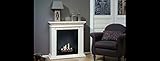 IGNIS(r), Bio Ethanol Fireplace Fuel is made with recycled and repurposed waste materials
The bioethanol that is used in IGNIS(r) fuel is produced using waste products from recycled and reclaimed industries. The ethanol that is used in IGNIS fireplace fuel burns efficiently and produces very little odor or ash. The fuel is packed in a PET bottle that is recyclable and shatterproof.
Bioethanol fireplaces are non-toxic and don’t require chimneys or flue to ignite. Bioethanol fires use up oxygen in the space so it is crucial that you allow in fresh air every now, then. A stuffy room can cause headaches and other discomforts. A window that is left open will help circulate air and make the room more comfortable.
Bio ethanol fireplace fuel is available in many combinations. Many companies sell bioethanol fuel that is made using 100% natural components. When it is burned, select a bioethanol fireplace suite fuel that doesn’t emit any chemical gasses. Many well-known companies provide bioethanol fuel for fireplaces, including IGNIS(r) and Regal Flame.
Another benefit of bioethanol fireplace fuel is that it burns without odor and produces minimal emissions of CARBON DIOXIDE VAPOUR, HEAT, and CARBON DIOXIDE. These emissions are comparable with human breath. Bio ethanol fuel for fireplaces is also odorless, so it doesn’t need chimneys to work.
It is easy to make use of bioethanol fireplace fuel. One one liter of bioethanol fireplace fuel can last for bio-fireplace up to four hours at maximum settings and eight hours at the minimum settings. To avoid wasting valuable fuel, it is important to shut off the fire when you are done using it. If you leave the fireplace unattended the fuel will evaporate. It is important to wait at least 15 minutes prior to refilling bio ethanol fireplace fuel. A hot fireplace could catch fire if not properly fueled.
It produces less smoke.
Bio fireplaces emit less smoke than traditional fireplaces and are much easier to maintain. They do not use harmful fuel, such as wood. They are not harmful to the natural environment. They are easy to install and can be used anyplace. Bio-ethanol fuel is inexpensive and long-lasting. It is accessible online and can be delivered to your door.
Bio ethanol is an alternative fuel that produces no soot or smoke. Additionally, these fireplaces are environmentally friendly as they don’t require a chimney or flue. They create a clean flame that is appealing to the eye. Also, since they do not produce smoke or odour, they can be placed anywhere.
Bio ethanol fireplaces are a great option for bio fireplace those looking to reduce smoke emissions but still have a cozy fire. They are also less expensive to run than traditional fireplaces. If you have a fireplace that is small, you may not receive the heat you require in a large space. It is important to ensure that the fireplace is kept away from objects that are flammable.
In addition to being environmentally friendly, bioethanol fireplace insert fireplaces provide warmth during the winter months. If they aren’t properly constructed and insulated they could increase your heating costs. If you choose a bio ethanol fireplace which is energy efficient and comes with heating elements that are built-in it will reduce your heating expenses.
Bio ethanol fireplaces give off less carbon dioxide and smoke than traditional fireplaces. They are a great option for those who wish to reduce their carbon footprint and live a more environmentally friendly lives. However, they are not entirely green energy sources, as the process of fermentation needed to convert sugars into ethanol requires numerous natural resources.
Bathrooms and other areas with high water content are not suggested for bioethanol fireplaces. The bio fuel can create increased fire hazards if mixed with moisture.
It is much simpler to install
Bio fireplaces can be an ideal alternative to traditional fireplaces. They are easy to install and do not require a chimney or gas connection. They do not emit smoke, soot, or ashes. One can be placed in any room. They don’t emit harmful fumes, and they produce the heat with 100% efficiency.
A bio fireplace burns bioethanol fuel which is an ecologically sustainable fuel. It emits water vapor and carbon dioxide, both of which are not harmful. The flame created by a bio fuel fireplaces-fireplace emits less CO2 than a typical candle. Bio fireplaces are carbon-neutral, because the CO2 they release is absorbed by plants and transformed into food waste.
There are many ways to set up bio fireplaces dependent on the location. You can choose between installing a bio fireplace (read this blog article from Waxue) into a ceiling or wall unit or a freestanding one. If you choose to install a freestanding fireplace it is not necessary to fret about installation as most bioethanol fireplaces come with all the components you need. Installation can be as short as an hour or two.
A bioethanol fireplace is a an exquisite addition to any room in your home. In addition to the added convenience they provide, bio fireplaces can boost the value of your home. They do not need a chimney or flue, so they can be placed anywhere in your home. They can be integrated into your existing design. They are available in a variety of finishes , including stone, steel and marble. Some models come with optional stainless steel log sets.
Before installing a bio-fireplace, ensure that you have enough space. The first step is to measure the area in which you’d like to put it. Then, you need to make sure that it is solid and secure. Bio fireplaces is able to be installed anywhere, even a living room or bedroom. However it is crucial to ensure that it is a good fit within the space.
It is cheaper than traditional fireplaces
Bio fireplaces are powered by bioethanol which is liquid fuel that is renewable. It is also free of fossil fuels. They don’t require a chimney flues or bio-fireplace flues or gas lines to operate and can be put in any location in your home. The disadvantage of bio fireplaces is that it doesn’t generate as much heat as traditional fireplaces. However it burns more clean than traditional fireplaces like gas and wood-burning.
Bioethanol fireplaces usually cost between $50 to $500 and are suitable for indoor and outdoor setting. They do not produce heat therefore they aren’t the best choice for homes with curious pets or children. They’re also usually small, so they aren’t suitable for large bedroom or living room.
Bio fireplaces are a great alternative for anyone wanting to reduce their carbon footprint. Bio-ethanol is a fuel that is renewable that is produced by various plants. Bio-ethanol is also very clean burning, which means you don’t have to worry about ash or smoke. Bioethanol fireplaces do not require a chimney or flue, and are easy to put in. To improve the quality of air they can be set up in rooms with high ventilation.
Cost-wise, bioethanol fireplace insert fireplaces cost less than traditional fireplaces. One liter of bioethanol is $11 and lasts about four hours. It’s a cheaper alternative to natural gas or propane. The dimensions and materials used will also impact the price. A smaller wall-mounted fireplace will cost less than a huge fireplace that is recessed.
Ethanol fireplaces have gained popularity in both commercial and residential homes mostly due to their environmental benefits. Ethanol fireplaces are sustainable and biodegradable. The price of an ethanol fireplace is similar to wood, and it doesn’t need a chimney. They can be set up anywhere in dining rooms, living rooms, and even cruise ships. They create a cozy, warm ambience that draws in customers.
Installing bio-ethanol fireplaces is easy. They’re usually freestanding, while some require wall mounting. A traditional wood-burning fire place can cost thousands of dollars and require hours of installation time. Bio-ethanol fireplaces are more realistic than traditional fireplaces. They burn clean, renewable fuels and produce real flame.
