


Bioethanol Indoor Fires
Bioethanol-based indoor fires are manufactured by renewable energy and generate no harmful fumes. They can be used indoors without the need for chimneys. Here are some guidelines to make use of a bioethanol fireplace in your home. These tips will ensure you enjoy a gorgeous fire for many years.
Bioethanol is a renewable energy source
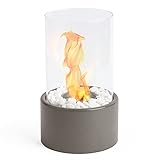 Bioethanol is a renewable source of energy that produces safe, non-toxic byproducts. It is a green energy source and is the ideal gas option for fires in the home. It is made of leftovers from plants and is recyclable. It doesn’t produce toxic gases or smoke and doesn’t require utilities. Also, it doesn’t produce any ash and is therefore absolutely safe to burn it in your home.
Bioethanol is a renewable energy source which is derived from plant wastes. It is made from the starches and sugars of plant by-products , like corn and wheat. Bioethanol is more beneficial to the environment than other fuels, and therefore more sustainable. Bioethanol is also more clean is longer-lasting, and emits no harmful emissions.
Bioethanol fires typically take between 15 and 20 minutes to burn. Once burning, you should allow it to cool for a couple of minutes before refilling it. This will stop accidental ignition, bio ethanol tabletop burners and also prevent injuries. Besides, you should store the outdoor bioethanol fire pit fire supplies in a secure place, away from pets and children. Use a damp cloth to wash up spills.
Bioethanol is an alternative source of renewable energy for heating and lighting. It is a great choice for those looking for green, sustainable alternative to wood and coal. It consumes less land and generates carbon dioxide emissions comparable to those from a burning candle.
A bioethanol fireplace can be installed in any home, including those with no chimney breasts. It is important to select the right wall for the installation. Bioethanol fireplaces can be used both indoors and outdoors. They don’t create a mess or require complicated maintenance for the season. Bioethanol fireplaces can also be carried with you when you move.
It produces no dangerous fumes
Bioethanol fires in the indoors do not release any dangerous fumes or particles into the air. The process of combustion generates heat and water vapour, carbon dioxide and water vapour. It has no negative effects on the air quality. Bioethanol fires do emit a slight ethanol smell, but the smell isn’t a problem. It is important to know that ethanol combustion occurs in closed systems, so fireplaces that burn ethanol won’t work in an enclosed space or in apartments.
When lighting a bioethanol fire, put it just a few meters from the wall or window. A Firescreen can shield the area around it from the heat generated by the fire. Do not put your hair close to the fire and do not smoke or blow into it. You should not use a bioethanol fireplace when you are under the influence of alcohol or drugs.
Bioethanol indoor fires also offer safety. Bioethanol fireplaces are more secure than other types of fire and are therefore safe to use. Bioethanol fireplaces are made to burn bioethanol gel rather than burning wood or other fuels. Bioethanol fires are not permitted in bathrooms and other areas in which water is present. If bioethanol and water are mixed, it could increase the likelihood of a fire.
Bioethanol fires are safe and don’t require structural changes. Planning permission is not required. Bioethanol fires aren’t dangerous fumes, and they don’t require a chimney. They don’t require flues, and they do not require any combustible materials. A bioethanol fire is safe to use in a structure so long as the window ventilation is adequate.
It doesn’t require a chimney.
Bioethanol fires in the indoor are more secure than traditional fossil fuel fires. They are a great alternative for traditional fires as they don’t release smoke, ash or any other potentially harmful emissions. Plus, they don’t require the use of a chimney or flue and don’t use any power source or electricity to run.
Bioethanol-powered indoor fires have a further benefit: they don’t require chimneys. This makes them perfect for homes without existing chimney breasts. However, it is important to ensure that the walls are strong enough to withstand the heat the ethanol produces. You can also install bioethanol fireplaces outside without the need for chimneys. In addition to being safer and more efficient, bioethanol fireplaces do not cause a mess or require complex maintenance during the winter months. Bioethanol fireplaces can also be moved unlike traditional fireplaces.
Bioethanol fireplaces release small amounts of carbon dioxide, but it’s a minimal amount and easily removed through the opening of a window. They burn cleanly, eliminating the risk of fires in chimneys. Modern bioethanol fireplaces are more secure and more hazardous than traditional chimney fires.
Wood burning fireplaces come with a number of disadvantages, among them the requirement for a chimney. Not only are wood burning fireplaces expensive to construct however, they also require a chimney. These fireplaces produce smoke that isn’t as clean as a bioethanol coffee table fires fire. However, they have the lowest carbon output, which makes them ideal for new construction or rental properties without chimneys.
Bioethanol fireplaces can be utilized in a variety of ways and are relatively inexpensive. Although they should be installed correctly, they are a great alternative to wood or gas fireplaces. Bioethanol fireplaces are simple to set up and don’t require venting or chimneys. This is particularly beneficial if you’re making a change from fossil fuels.
It’s safer to use indoors than traditional fires.
A bioethanol fireplace can be used to heat a room and also looks gorgeous. You can buy a fire suite comprising a bioethanol fire as well as a fire surround that is coordinating. A complete fireplace suite is a fantastic deal and will save you money over a single unit. Another option is a freestanding bioethanol fireplace that you can move around your home.
Bioethanol is an alcohol that burns well and produces very little smoke or soot. It also emits a small bio ethanol fires amount of carbon dioxide, around the same amount as candles emit. This means that bioethanol is safer than other fuels. Bioethanol with poor quality can be contaminated with dangerous components, therefore it is essential to ensure that you only use high-quality bioethanol.
Bioethanol fires are safe to use inside. They don’t produce smoke and ash, as well as other carcinogenic substances. It produces very little carbon dioxide which is a natural byproduct of any real fire. This means it’s considerably safer to use an indoor bioethanol fire than traditional fire.
A bioethanol fireplace controls the size of the flame using an electronic microprocessor. It can also monitor the temperature outside and stop the burner when the temperature is too high. If you buy an ethanol fireplace, be sure to examine the cinders before replacing the bio ethanol fire table top ethanol tabletop burners (http://nankai.kr/bbs/board.php?bo_table=h66&wr_id=14756) container.
A bioethanol fire is a great alternative for bioethanol indoor fires log-burning stoves. According to the government’s Burn Better campaign, four out of 10 British homeowners will make use of a biofire this winter. This kind of fuel is made of maize or sugarcane and produces smokeless, clean heat. It is free of sparks and soot.
It’s easy to use
Bioethanol is a great option for anyone who is looking for a warm and safe fire place for their home. Bioethanol is easy to store and use, which makes it ideal for the chilly winter months. The flame of a bioethanol fire can be controlled using a sliding mechanism and a closing rod. It will take approximately fifteen to twenty minutes to light. After lighting the fireplace with bioethanol, it should be left to cool for at least 45 minutes prior to refilling it. Pets, children, and any other potential dangers must be kept away from the fireplace.
Bioethanol fires differ from other fire systems in the United States. They don’t cause structural changes. Bioethanol fires do not require permission for planning and aren’t a source of combustible materials. They don’t require any flues and the only ventilation required is from window vents.
Bioethanol is also more sustainable than traditional fossil fuels. Because bioethanol is derived from plant matter, it doesn’t release any harmful substances into the air. Bioethanol fires are also excellent for indoor usesince they don’t require chimney flue, chimney, or electricity.
The installation process for an ethanol-based fireplace is simple. The fireplace can be mounted on a wall, or suspended from the ceiling. You can also opt for an option that is wall-mounted if you do not have the space to build an entire fireplace. Wall-mounted bioethanol fireplaces can also be installed quickly and easily. You can also buy a remote control for them to operate.
While bioethanol is an excellent alternative to conventional fuels however, it has some drawbacks. First, bioethanol must be stored in a dry, cool area. It must also be kept away from pets and children. To prevent spills, you should be cautious when filling your fireplace. However, bioethanol is cheaper than traditional fuel and is widely available at home supply stores.
